
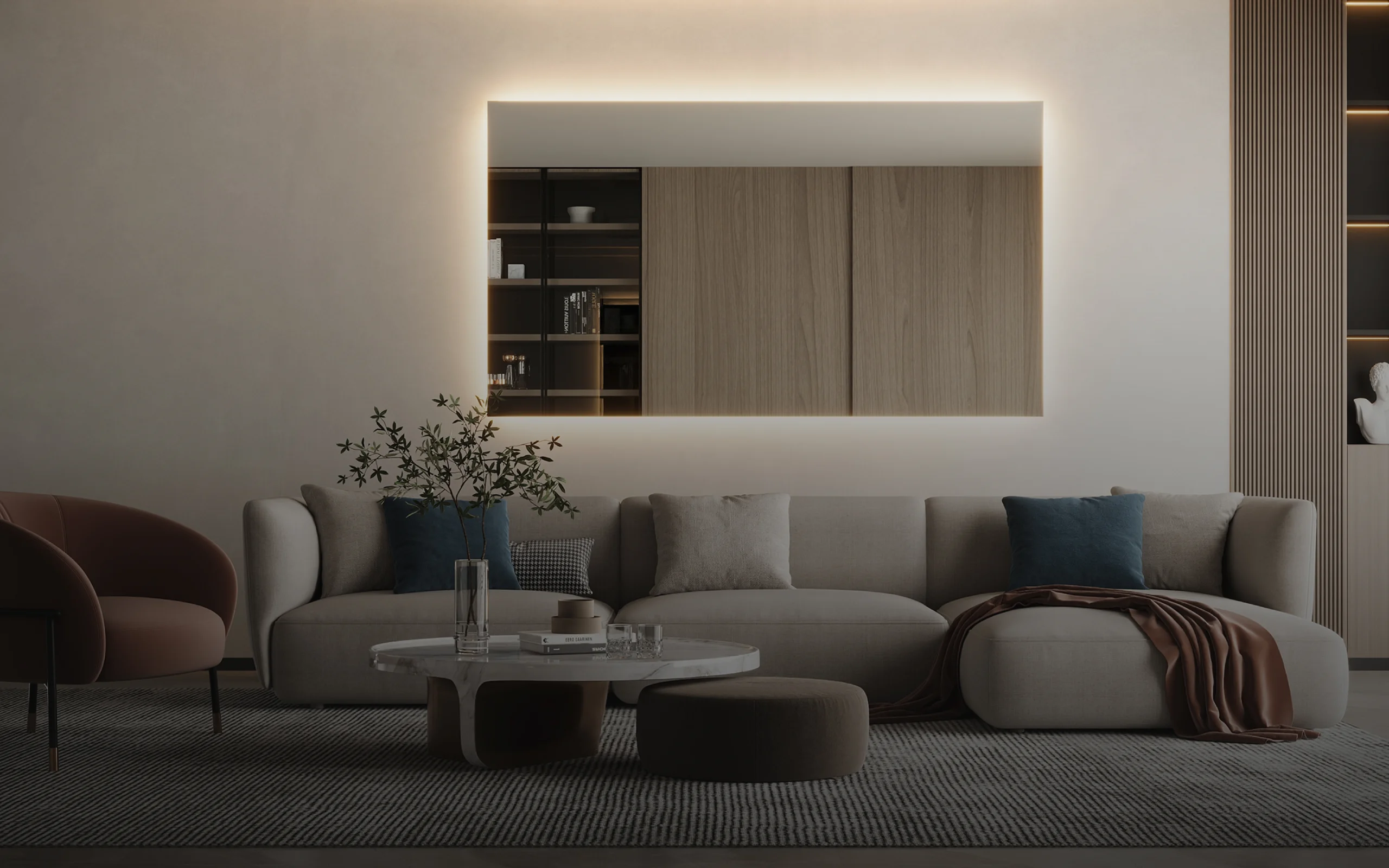
Effortless design is rarely effortless to create.
Behind every calm interface is a series of deliberate decisions — what to include, what to remove, and what to leave untouched.
The absence of visual noise is not accidental; it is designed.
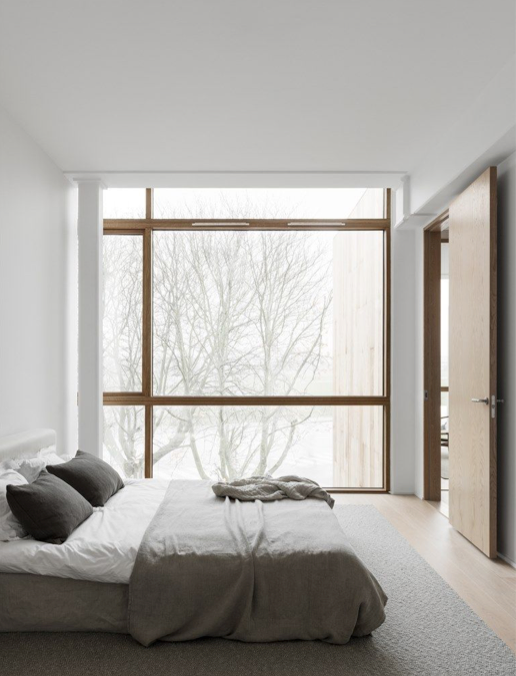
Users do not experience layouts as grids or systems.
They experience flow.
They notice when things feel intuitive, when information arrives at the right moment, and when interactions feel natural rather than forced.
Hierarchy Before Decoration
Strong design begins with hierarchy.
Before color, before animation, before visual effects, there must be clarity.
Users should instinctively understand where to look first, what is important, and what action is expected of them.
Typography plays a critical role here.
Font size, weight, line height, and spacing all communicate meaning.
When hierarchy is clear, the interface teaches itself.
Good design explains itself without words.
Removing Friction
Friction appears when users have to think too hard.
Confusing labels, inconsistent spacing, unnecessary motion — all of these interrupt flow.
The goal of design is not to impress, but to remove obstacles.
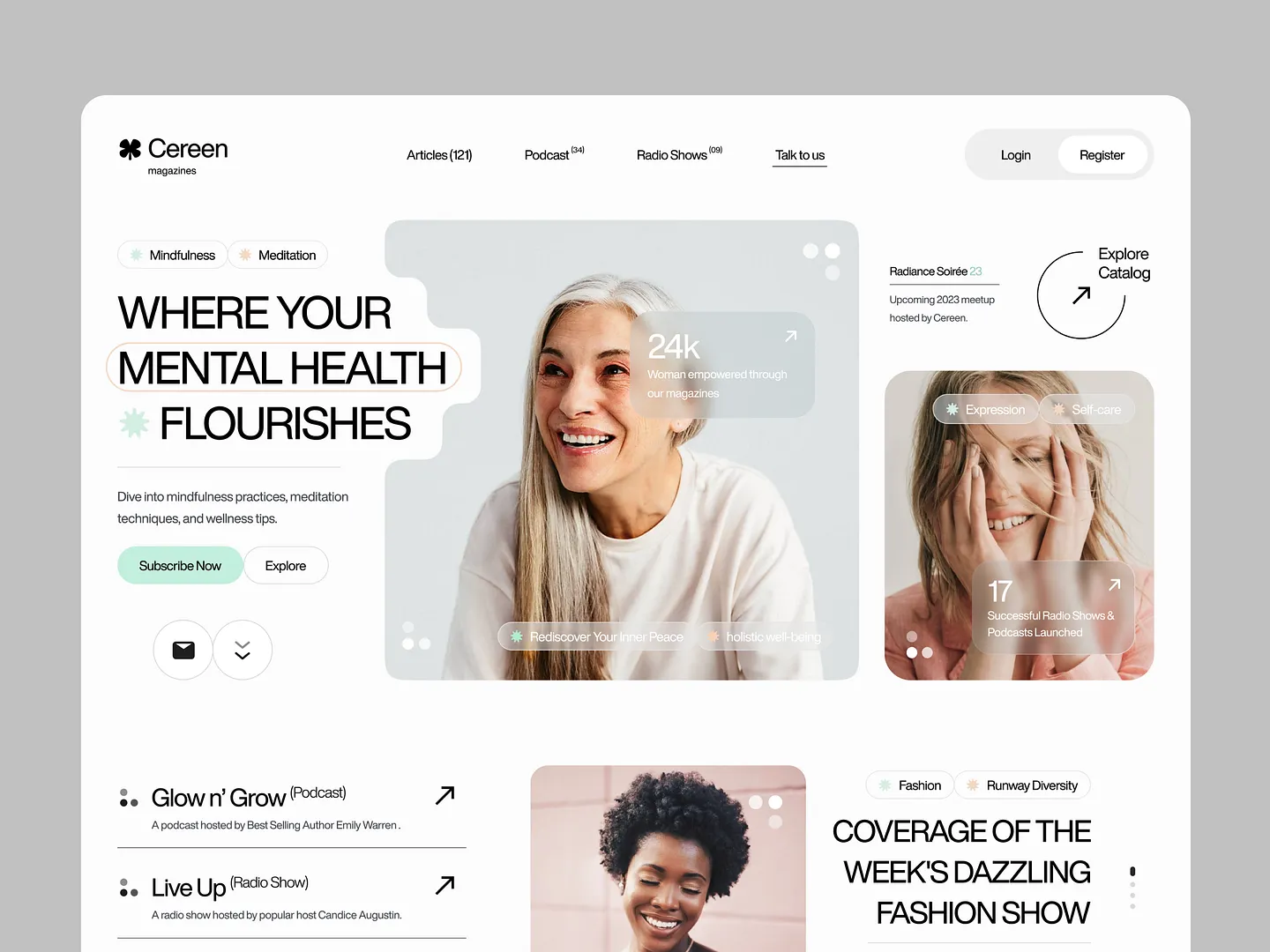
When friction disappears, users move confidently.
They feel guided rather than instructed.
This sense of ease builds trust and encourages exploration.
Why Calm Wins
In an environment saturated with information, calm becomes a competitive advantage.
Design that feels effortless respects attention instead of competing for it.
By focusing on clarity, rhythm, and restraint, designers create experiences that feel timeless rather than trendy.
Effortless design does not shout.
It lasts.